
Intrusion alarm systems
Detectors, opening contacts, sirens, arming methods and appropriate notifications.
Intrusion detection, IP cameras, recording and access control: placement, networking, privacy and alert quality are considered together, according to the property.
Purposeful placement, meaningful alerts, secured access.
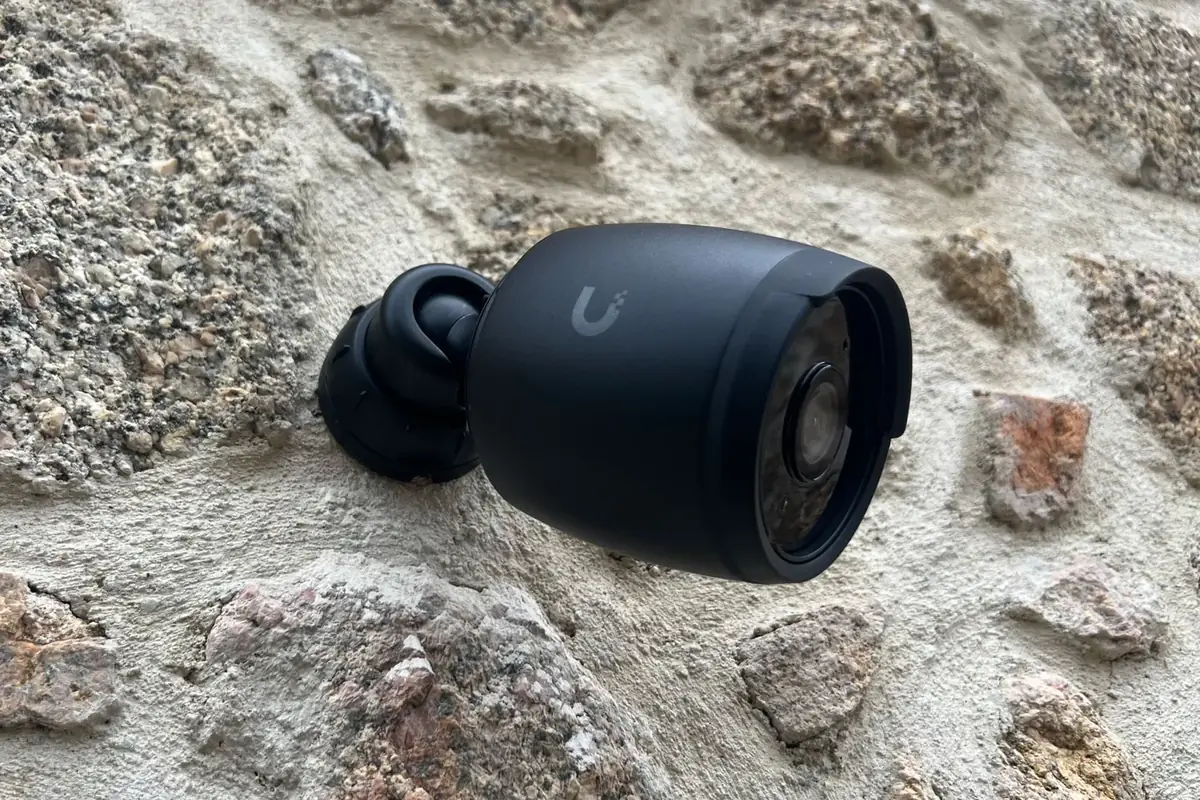
Effective protection begins with understanding the site: entrances, blind spots, circulation, lighting and the people who need access.
Detectors, opening contacts, sirens, arming methods and appropriate notifications.
Camera placement, NVR storage, image quality, retention settings and network connectivity.
Door entry, keypads, badges and compatible connected entry equipment.
Appropriate secure access to compatible systems according to network and manufacturer capabilities.
Review of coverage, field of view, image quality, power and installation condition.
Fault diagnosis, configuration, component replacement and incremental improvement.
We choose solutions against the realities of the building, equipment compatibility and everyday use.
Angles, lighting, privacy and recording quality matter more than simply adding devices.
Cameras and controllers rely on appropriately configured networks and access permissions.
Positioning and operation must respect applicable privacy and other legal obligations.
A useful system depends on the entrances, exposure, network and daily habits of the property—not the number of devices installed.
Access points, circulation routes and occupancy patterns help define appropriate intrusion detection and camera positions.
Coverage, local recording, power continuity and secure remote access all affect how practical a camera system will be.
Camera placement, account access and retention arrangements should be tailored to the setting and applicable privacy requirements.
The goal is reliable detection and usable information, with clear controls and no unnecessary complexity.
Intrusion detection and camera coverage around agreed access points, with a straightforward user experience.
Security arrangements adapted to staff access, opening hours and network infrastructure.
Relevant alerts, secure accounts and recording options studied according to the installation.
A simple plan or photos of entrances can help define the first technical discussion.
Discuss your installationCoverage, viewing angles, cable paths and discreet positioning should be considered together.
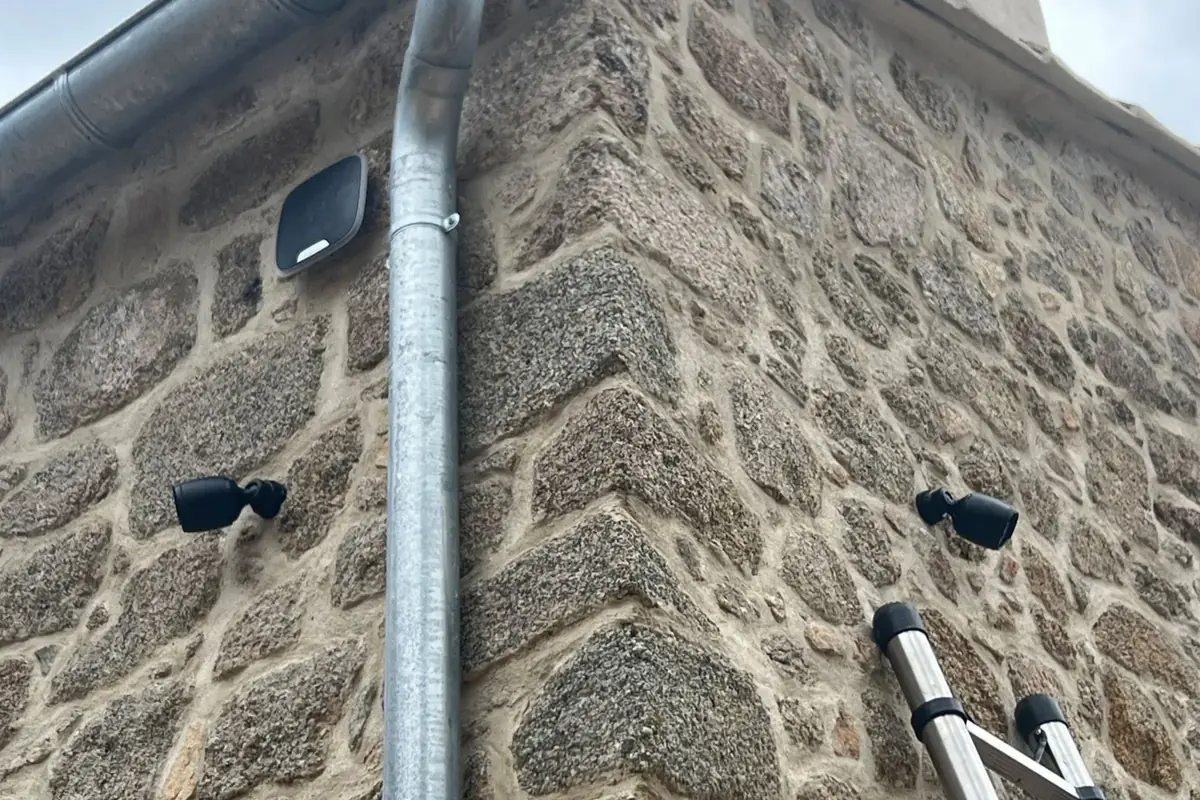
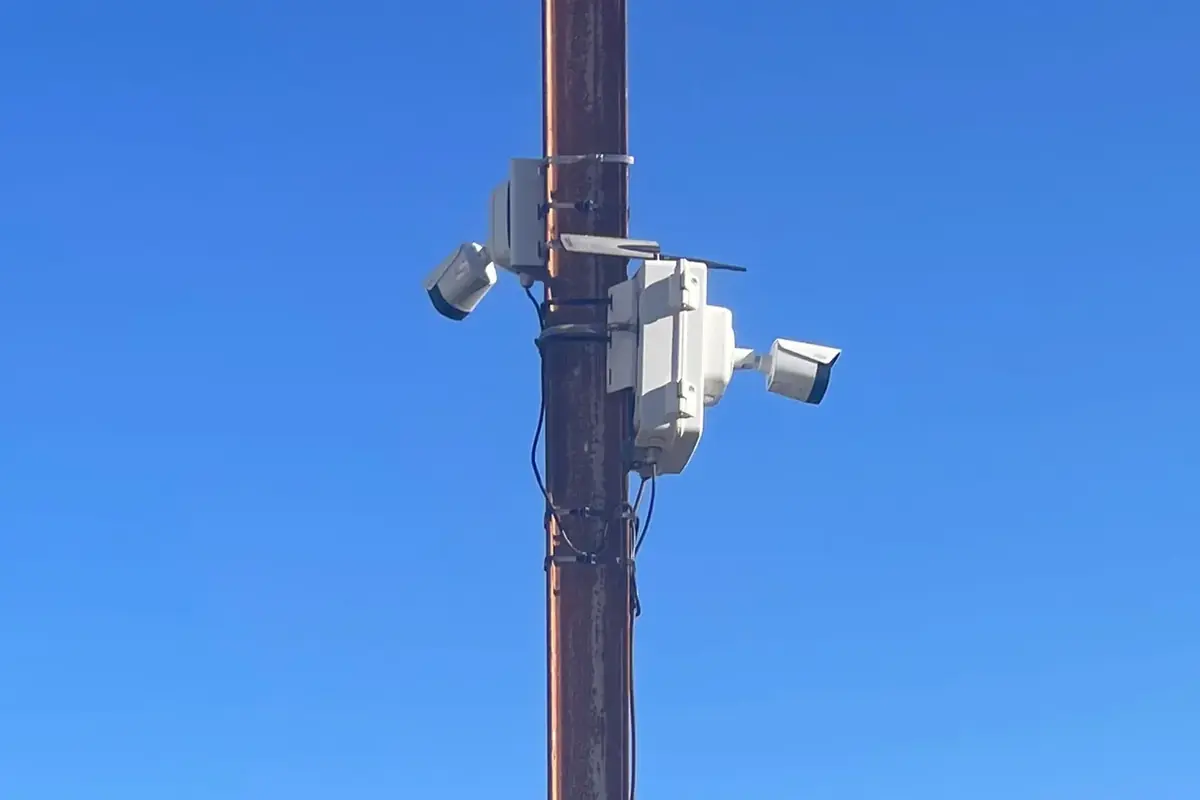
Every property is different; these answers outline the approach before a site-specific assessment.
Often, yes. The secure connection method depends on the manufacturer and network environment.
Yes. We can review camera placement, recorder configuration and network reliability.
Possible integrations are assessed on a case-by-case basis according to equipment compatibility.
Each project is assessed according to the site, the areas to protect, cabling constraints and the level of monitoring expected.
Actual relevance always depends on the project context, interfaces and expected level of administration.
Brand names are provided for information. They may be installed, configured, upgraded or integrated depending on the project, without necessarily implying an official contractual partnership.
Tell us about the site and what you want to achieve in intrusion alarms & ip video surveillance.