
Custom automation logic
Rules, triggers and scenarios for compatible electrical and digital installations.
Custom interfaces, supervision tools, APIs and gateways: we first assess real integration options to build solutions that remain understandable and maintainable.
Clear interfaces, verifiable integrations, maintainable systems.
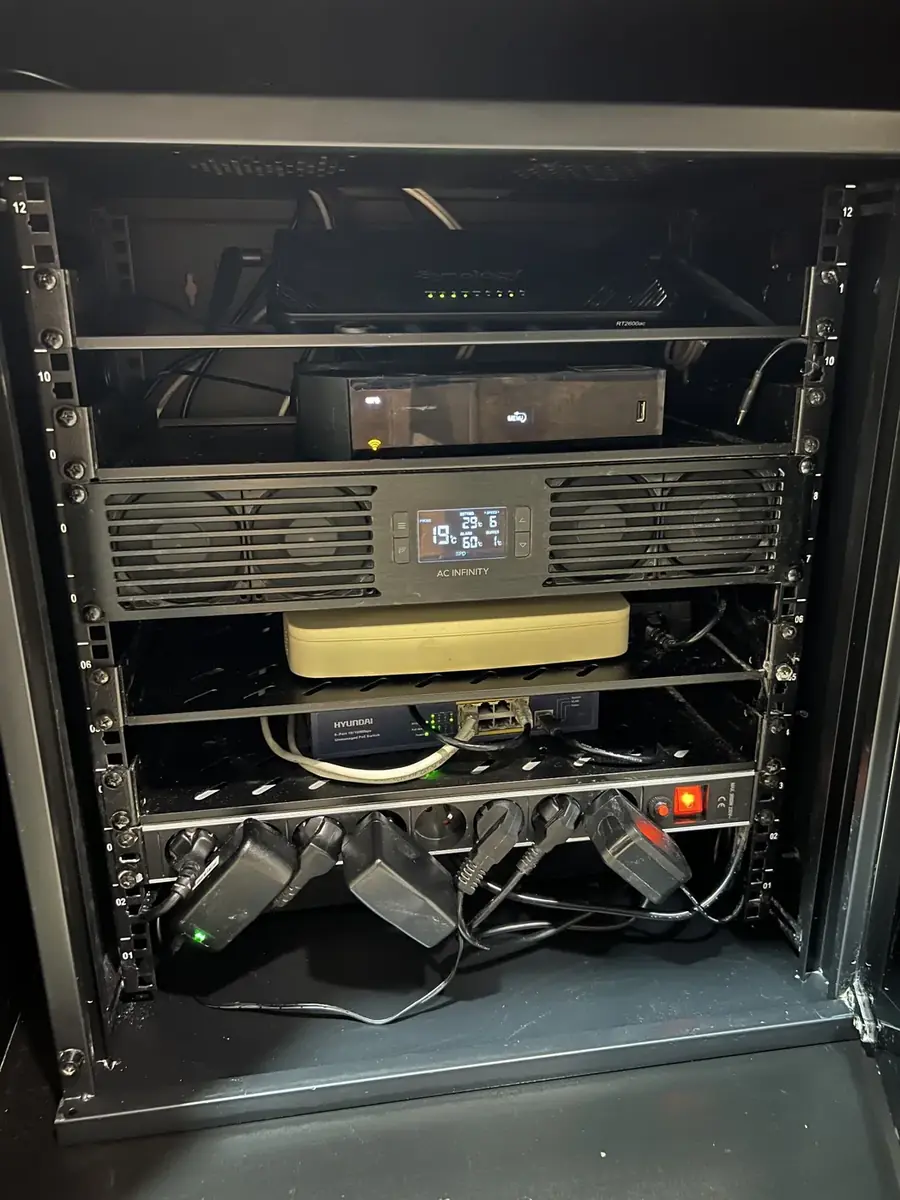
Sometimes a project requires different systems to exchange data or perform a specific task. We evaluate the interfaces and develop a proportionate solution.
Rules, triggers and scenarios for compatible electrical and digital installations.
Integration via documented APIs, network protocols and existing interfaces where available.
Operational interfaces displaying useful information and relevant controls.
Status information, notifications and technical supervision where supported.
Purpose-built tools for a practical operational need, when technically feasible.
Diagnosis, simplification or reconfiguration before proposing wholesale replacement.
We choose solutions against the realities of the building, equipment compatibility and everyday use.
The desired outcome, available data and constraints define the technical scope.
Protocol access, manufacturer restrictions and security requirements are checked before development.
Documentation and a realistic path for future support are part of a responsible solution.
Bespoke development is valuable when standard products do not communicate well or when an existing workflow can genuinely be simplified.
Define the workflow, data sources and required controls before choosing software, hardware or a communication protocol.
Where available, supported APIs and standard protocols make integrations more maintainable than fragile workarounds.
Access permissions, logging, safe failure modes and documentation should be considered alongside the visible interface.
A small integration can be more useful than a large, complicated application if it removes a recurring operational problem.
One interface for relevant statuses and commands from compatible building systems.
Practical actions triggered by events or schedules, with suitable safeguards.
Feasibility review for exchanging data or commands through supported interfaces.
Tell us which systems are involved and what is currently manual, repetitive or unreliable.
Discuss your installationEvery property is different; these answers outline the approach before a site-specific assessment.
Potentially, if supported interfaces are available and integration is appropriate.
Yes, depending on the devices, usable APIs and project requirements.
Not necessarily. External services and manufacturer policies vary; dependencies are reviewed during scoping.
When a project goes beyond standard cases, we rely on systems that can communicate with one another and still be maintainable over time.
Actual relevance always depends on the project context, interfaces and expected level of administration.
Brand names are provided for information. They may be installed, configured, upgraded or integrated depending on the project, without necessarily implying an official contractual partnership.
Tell us about the site and what you want to achieve in programming & bespoke integration.